
Похоже, что текст расшифровки недоступен или произошла ошибка при его извлечении. Пожалуйста, предоставьте сам текст расшифровки или исправленную версию, чтобы я мог создать подробное и структурированное резюме согласно вашему запросу.

📝 Will Wang Blog
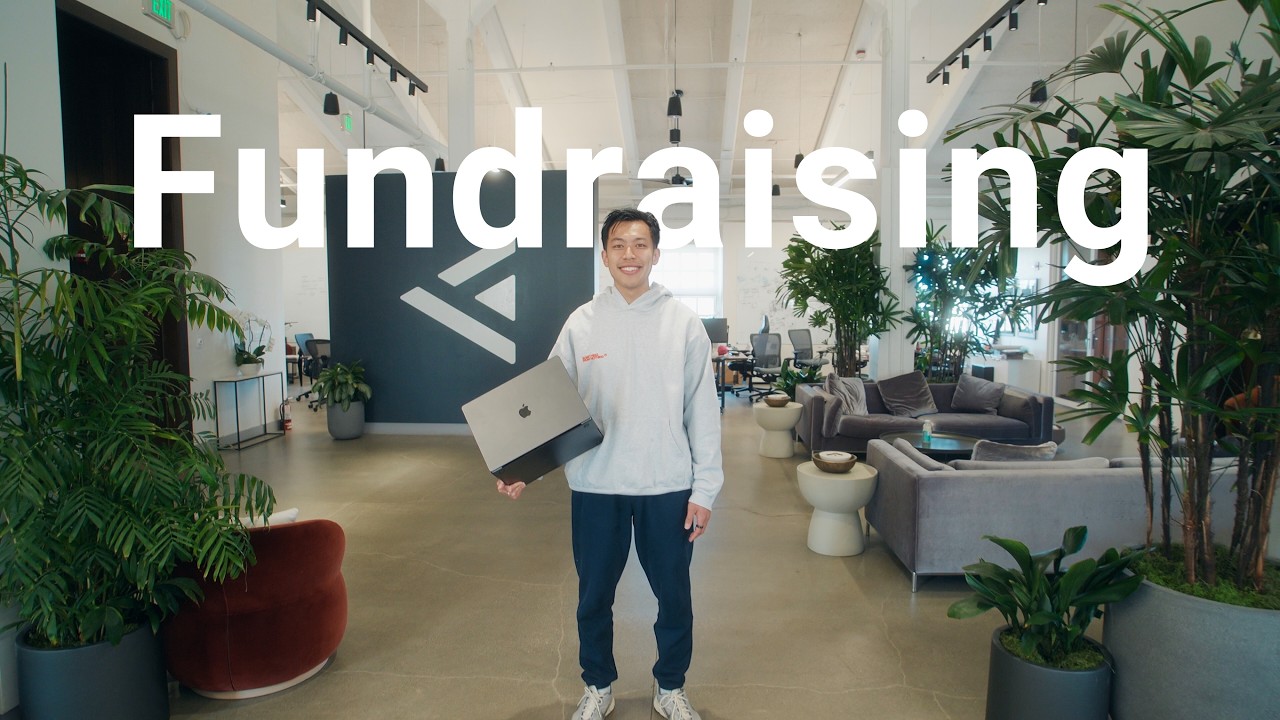
From Viral Success to Fundraising Hustle: Inside the Startup Journey of Clova
Starting a startup is a rollercoaster of emotions, challenges, and unexpected turns, and the journey of Clova—a startup that recently went viral—perfectly encapsulates this reality. In this blog post, we dive into the authentic, behind-the-scenes experience of Clova’s founders as they transition from an exciting viral moment to the demanding world of fundraising and product building.
The Viral Spark That Ignited Clova’s Fundraising Journey
Clova’s recent viral success was nothing short of remarkable. A Twitter post amassed over 700,000 views, complemented by 200,000 views on Threads and 100,000 on Instagram. This viral traction became a crucial validation moment—the product was resonating with users, and the founders finally had a clear direction on what to build.
However, with great momentum came great urgency. The startup space is fiercely competitive, and the Clova team knew they had to move fast. The goal was set: raise $1 million to hire key engineers and scale the product development. The viral moment was a catalyst, but the real work was just beginning.
Fundraising: The Full-Time Job That Distracts from Building
For the founders, fundraising quickly became a full-time job, consuming nearly every waking hour with back-to-back pitch calls and meetings. The process was exhausting and emotionally taxing. It required managing highs and lows—one minute feeling optimistic after a promising pitch, the next feeling deflated when deals fell through or interest waned.
One key insight from their experience: fundraising is like sales, demanding persistence and resilience. Warm introductions from trusted founder friends proved invaluable, opening doors to potential investors far more effectively than cold outreach. Customizing emails, targeting investors aligned with their funding stage (pre-seed/seed), and minimizing friction for introducers were tactics that helped keep the momentum going.
Balancing Product Focus with Fundraising Realities
While fundraising was demanding, the team remained committed to product excellence. Ryan, the lead engineer, stayed locked in on coding and improving Clova’s core features despite the mounting pressure. They were focused on building a clean, robust codebase—learning from past experiences where rushed, “hacky” solutions led to issues later on.
Simultaneously, the founders recognized the importance of maintaining balance. A brief trip home for Mother’s Day reminded them that beyond the grind, family and mental recharge are essential. This break helped clear their minds, bringing fresh perspectives and renewed energy to their work.
Building a Brand and Product with Care
As part of growing Clova, the team also invested time in refining their website and brand presence. Recognizing design wasn’t their strongest suit, they utilized tools like Framer to create a sleek, minimalistic site focused on mobile experience—a strategic pivot reflecting their product’s direction. They welcomed community feedback to improve and iterate quickly, showing openness to continuous learning and growth.
The Emotional Rollercoaster and Lessons Learned
Throughout the fundraising hustle, the founders candidly shared their emotional journey—how the ups and downs can be draining but are part of the process. They stressed the importance of managing emotions rather than trying to eliminate them, understanding that volatility is inevitable. The key is to keep pushing forward and not let setbacks derail the overall mission.
They also highlighted a crucial mindset shift: moving away from scarcity thinking. With many investors and opportunities available, approaching fundraising as a conversation rather than a desperate plea helped maintain confidence and composure.
Looking Ahead: Hiring, Scaling, and Staying Authentic
With $100K already raised and momentum building, Clova is gearing up for a critical phase of growth. They are actively hiring new team members—including engineers and interns—to accelerate development and bring fresh talent into the fold. The founders remain committed to sharing their journey authentically, promising transparency whether the fundraising goes smoothly or encounters bumps.
Key Takeaways for Aspiring Founders
- Validate Quickly and Build on Momentum: Viral traction is powerful but fleeting. Use it to accelerate your fundraising and hiring efforts.
- Fundraising is a Full-Time Job: Expect it to consume your time and emotional energy. Prepare accordingly.
- Leverage Warm Intros: Build relationships and ask for introductions to investors aligned with your stage.
- Manage Emotional Volatility: Fundraising is an emotional rollercoaster; focus on minimizing ups and downs rather than eliminating them.
- Balance Work and Life: Take breaks to recharge and gain perspective—your mental health and relationships matter.
- Invest in Product Quality: Build your codebase right from the start to avoid technical debt.
- Stay Authentic: Share both successes and struggles; transparency builds trust and community support.
Final Thoughts
Clova’s story is a candid look at the dual realities of startup life: the excitement of viral success and the grind of fundraising. It’s a reminder that behind every startup headline is a complex journey filled with hard work, emotional resilience, and constant learning. For founders navigating similar paths, Clova’s experience offers valuable lessons and inspiration to keep moving forward—one pitch, one line of code, and one step at a time.
Are you on a startup journey too? What challenges have you faced during fundraising or product building? Share your experiences and tips in the comments below!

From Broke to Viral: The Rollercoaster Startup Journey Behind Clover
In the fast-paced world of startups, moments of breakthrough often come wrapped in a whirlwind of chaos and relentless hustle. For the founders of Clover, a newly launched video editing tool powered by natural language prompts, this moment arrived suddenly and spectacularly when their demo video went viral—amassing over 700,000 views on Twitter alone, alongside hundreds of thousands more on other platforms. But behind the viral success lies a story of grit, rapid learning, and the unglamorous grind that defines the startup journey.
When it Rains, It Pours: Surging Traffic and Server Crashes
The viral video unleashed a flood of new users, causing their servers to crash—an overwhelming but welcome problem. Having just launched their Minimum Viable Product (MVP), the team was unprepared for such massive traffic. The founders describe the week as the most stressful period in their startup careers, juggling a deluge of inbound messages while racing to improve and stabilize the product.
Despite the pressure, this surge validated their vision: people wanted what they built. The excitement of hitting a significant milestone after years of hard work and failed projects fueled their determination to push forward.
Building Features That Users Demand
The team quickly responded by coding new features requested by their users. One standout addition is the ability for media teams to search their video database using natural language — for example, finding "happy moments" or "two guys playing basketball" instantly. More impressively, users can now select clips and generate rough cuts automatically, potentially saving video editors hours of manual work.
This feature speaks directly to the startup’s mission: to simplify and accelerate video editing workflows using AI-powered tools. The founders emphasize the importance of shipping even when not “perfect,” embracing the MVP mentality to gather real user feedback and iterate fast.
The Grind Behind the Scenes: Coding, Crashes, and Community
The vlog-style recount reveals the raw reality of startup life. One founder’s laptop broke down from overuse, forcing a costly replacement amid the chaos. Meanwhile, the team scrambled to manage an overflowing message queue in their backend system, working on scaling their infrastructure by distributing loads across multiple server regions.
Amidst intense development and technical hurdles, the founders also highlight the importance of community and networking. They attended industry events, met filmmakers and content creators, and absorbed lessons on storytelling—an essential skill not just for building products, but for pitching investors and creating viral content.
Storytelling: The Secret Sauce
One of the key takeaways from their recent experiences is the power of storytelling. Whether crafting a compelling demo video, engaging on social media, or pitching to investors, the ability to tell a clear, captivating story is critical. The founders recognize that great storytelling drives product adoption and builds emotional connections with users.
Their demo video exemplifies this: it walks viewers through the app’s capabilities using a real-world example (editing a graduation vlog from raw clips), showing how AI can intelligently structure a narrative from hours of footage. This approach not only demonstrates product value but also resonates emotionally.
Momentum and the Road Ahead: Fundraising and Focus
With newfound momentum, the Clover team is now preparing to raise funds to scale their startup. After years of building in the shadows, the sudden validation changed their mindset from cautious product development to aggressive growth and fundraising.
They candidly share the mental and physical toll of startup life—the long hours, stress, and sacrifices—but also the gratification that comes with progress and community support. Vlogging their journey has been a tool for accountability and motivation, connecting them with other entrepreneurs and fans who encourage them to keep going.
Lessons from the Clover Journey
- Expect the unexpected: Viral success can bring both opportunities and challenges like server crashes and support overload.
- Ship early, iterate fast: MVPs won’t be perfect, but launching quickly allows you to learn and improve based on real user feedback.
- Listen to your users: Building features that solve actual user pain points drives adoption and loyalty.
- Storytelling matters: Whether marketing, fundraising, or product design, compelling narratives engage and persuade.
- Build community: Sharing your journey fosters support and accountability, helping you weather tough times.
- Momentum is key: Success breeds success—use early wins to fuel growth and fundraising.
Try Clover Today
If you’re curious about how AI can transform video editing, Clover is available now at joinca.com. Upload your clips, use natural language prompts to generate rough cuts, and experience a new way to create content faster.
Final Thoughts
The Clover story is a testament to persistence, adaptability, and the rollercoaster ride of startup life. From being broke and rejected to building a product that resonates with thousands, the founders show that success often comes after many failed attempts and relentless hustle. Their journey inspires aspiring entrepreneurs to keep building, keep telling their story, and embrace the chaos that comes with chasing big dreams.
Stay tuned for more updates as Clover scales new heights, and remember—the startup game is tough, but when it pours, it also pours opportunity.

How to Validate a Startup Idea in Two Weeks: A Real-Life Growth Journey
Launching a startup is a rollercoaster of excitement, uncertainty, and rapid learning. Recently, I embarked on an intense two-week journey to validate a startup idea, and I want to share the highs, lows, and key takeaways from this critical phase. Whether you're a founder or aspiring entrepreneur, this inside look might inspire your own growth strategy.
Setting Clear Goals: The Two-Week Growth Sprint
The mission was straightforward: validate our startup idea by driving as much growth as possible in two weeks. This phase is often the most pivotal—and risky—for founders. It’s tempting to stick to your original plan, but success often depends on being flexible and ready to pivot when needed.
To keep ourselves accountable, we used a countdown timer set for 14 days. Every day, it reminded us that time was limited, and by the end of the sprint, we’d need to face the truth—either we achieved growth or we had to pivot.
Introducing Cloa: The Product We’re Building
Our startup, Cloa, is designed for media teams drowning in hours of footage. It’s a cloud-based search tool that allows users to instantly find specific moments—like "happy moments," "two guys playing basketball," or "someone wearing a black sweater"—without sifting through endless clips manually.
We had a few paying customers but decided it was time to publicly release the app, despite the nerves and feeling not 100% ready. The goal was to see who loved the product most and then niche down to improve it specifically for those users.
Growth Strategy: Outbound + Content Creation
Our growth efforts were split between outbound outreach and content creation.
-
Ryan’s Role: With 10 years of experience working together, Ryan focused on outbound growth—reaching out to potential customers via LinkedIn and email with tailored messages. His relentless outreach is the backbone of our growth push.
-
My Role: I concentrated on content—leveraging YouTube, Twitter, and especially LinkedIn, where many of our ideal customers hang out. By posting engaging and informative content, we aimed to attract more eyeballs and encourage sign-ups.
The Importance of Magic Moments in Demos
For demos, showing the “magic moment”—the instant when users see the value—was crucial. Because users need to upload and index footage, there’s usually a delay before they experience the magic. To overcome this, we pre-processed footage so demos could instantly showcase the product’s power, impressing potential customers right away.
Real Results and Feedback
One of our videos on Twitter quickly gained traction—25,000 views within hours, hundreds of likes, and many saves. This content boost translated into sign-ups and invaluable feedback. We engaged in deep conversations with users to understand their pain points and how to improve the product.
Though nervous, this public launch felt liberating. Having concrete data and user feedback helped us shift from uncertainty to actionable insights.
Leveraging Startup Advantages
A recurring theme in calls with potential customers was our startup advantage: passion and responsiveness. Unlike large corporations with slow support, startups can offer white-glove service, quick iterations, and personal attention. This passionate approach resonates with early adopters and builds trust.
Overcoming Challenges: Bugs, Server Issues, and Late Nights
Launching comes with classic startup chaos—server crashes minutes before demos, bugs breaking onboarding, and countless late nights fixing details. Despite this, the team stayed resilient, balancing hard work with moments of fun (including playing Super Smash Bros.).
We monitored user behavior closely using tools like PostHog to identify pain points and “rage clicks,” ensuring we prioritized fixes that would improve the user experience.
The Power of Content and Community
We learned that building an audience through content is incredibly powerful. For example, a friend’s tool gained 200 paid subscribers on day one thanks to a strong Twitter presence. In just two weeks, content can dramatically change your startup’s trajectory.
We also experimented with community-building strategies like the "Reply Guy Olympics," encouraging engagement and helping amplify reach.
Next Steps: Deepening Relationships with Early Adopters
With sign-ups coming in, the focus shifted to onboarding and deepening relationships. Scheduling calls with early adopters helped us gather qualitative feedback and build trust. Understanding their workflows and pain points will guide the product roadmap.
Final Thoughts: The Idea Maze and Continuous Iteration
We’re navigating the “idea maze”—the complex process of refining product-market fit through data and user conversations. There’s still work ahead, but the two-week sprint gave us momentum and clarity.
In startup growth, every day counts. With focus, flexibility, and a passionate team, you can turn an idea into a validated product—and maybe change your life in a matter of weeks.
If you’re building a startup or validating an idea, here are some actionable tips:
- Set a clear, time-bound goal: Use tools like countdown timers to maintain focus and urgency.
- Launch early, even if not perfect: Real user data beats assumptions.
- Divide and conquer growth efforts: Combine outbound outreach with content marketing.
- Show the magic moment ASAP: Pre-process demos to impress prospects quickly.
- Leverage your startup advantage: Be passionate, responsive, and personal.
- Engage deeply with early users: Use calls and feedback to iterate fast.
- Monitor user behavior: Use analytics to detect pain points and prioritize fixes.
- Build and nurture a community: Content and engagement fuel growth.
Stay tuned as we continue this growth journey and share more lessons learned along the way!

Building a Startup: The Real Grind Behind the Scenes
Starting a tech company is often glamorized as a fast-paced journey filled with instant wins and viral moments. But the reality, as experienced by the founders at Clover, is far more grounded — a blend of steady progress, problem-solving, and relentless iteration. Here’s an inside look at what goes into building a startup, from coding challenges to customer calls, and balancing work with life.
What is Clover?
Clover is a powerful tool designed for media teams and filmmakers. It allows users to search through hundreds of hours of footage using natural language queries. Whether you’re looking for “happy moments” or a “coffee mug,” Clover helps find the exact clips without spending hours manually sifting through content. This startup is all about saving time and making video editing more efficient.
The Early Days: From MVP to Massive Data
The team has already processed about 200 GB of footage from initial customers to gather feedback and improve the app. Now, the challenge scales up: processing terabytes of footage, including complex formats like RED footage—a high-end camera format used in Hollywood movies. Handling such advanced data formats requires constant technical adjustments and learning, demonstrating the unpredictable nature of software development.
Stress and Growth: The Emotional Rollercoaster
Building a startup is stressful, but it’s the "good stress" that comes with growth and opportunity. The founders reflect on how their stress has evolved—from uncertainty before funding to the excitement of having numerous ideas and possibilities post-funding. Despite the pressure, they embrace the hard work, coding late into the night, and continuously engaging with potential customers.
The Power of “Dogfooding”
One of the most valuable practices the team shares is “dogfooding” — using their own product daily. This not only helps identify bugs and usability issues faster but also keeps the team closely connected with their users’ experience. Iterating based on personal use accelerates product improvement cycles.
The Startup Lifestyle: Building and Balancing
Their daily routine includes coding, customer calls, content creation, and community involvement at places like Founders Inc., where they collaborate with other entrepreneurs. This environment fuels creativity and motivation, although balance is essential. For example, basketball serves as a crucial outlet to reduce anxiety and live in the moment, which ultimately improves productivity.
Fundraising and Expansion
Recently, the team successfully closed an oversubscribed fundraising round, securing more investment than anticipated. This influx of capital is a significant milestone, enabling them to expand the product and team further. Meanwhile, they continue to work on exciting new features, like adding chatbot capabilities to interact with video documents, enhancing how users engage with their footage.
Marketing: The Experimentation Continues
Growth is not just about great technology but also effective marketing. The team has been experimenting with cold email campaigns and content marketing, learning that startup marketing is an ongoing experiment. Some channels show promise (like SEO and content creation on YouTube and Twitter), while others require tweaking. The key mindset is to view every effort as a test rather than a failure.
The Reality Check: No Overnight Success
Behind the scenes, the grind is real. Long coding sessions, late nights before demo days, and the constant push to ship products and content can be exhausting. Yet, the team finds joy in the process, focusing on consistent effort brick by brick, understanding that significant breakthroughs come from persistent daily work rather than sudden leaps.
Community and Collaboration
Being part of a supportive community like Founders Inc. offers not only resources but also camaraderie. The founders highlight working alongside talented engineers and creatives, sharing the journey, and celebrating small wins together. This sense of belonging reinforces their commitment and keeps the momentum going.
Practical Takeaways for Aspiring Founders
- Embrace Iteration: Start with an MVP, get feedback, and improve continuously.
- Use Your Own Product: Being a user yourself accelerates learning and improvement.
- Balance Work and Life: Find activities that reduce stress and increase focus.
- Experiment with Marketing: Try different channels and view results as data for learning.
- Stay Consistent: Success comes from showing up and doing the work every day.
- Build Community: Surround yourself with like-minded people for support and growth.
Final Thoughts
Building a startup like Clover is a marathon, not a sprint. It involves technical challenges, emotional highs and lows, and a commitment to constant learning. By sharing their authentic journey — the stress, the excitement, the setbacks, and the wins — these founders provide a refreshing, realistic view of what it truly takes to build something meaningful in the tech world. If you’re an aspiring entrepreneur, remember: it’s about persistence, adaptability, and passion every single day.
Stay tuned for more updates from the Clover team as they continue to grow their product, tackle new challenges, and share their story with the world.