
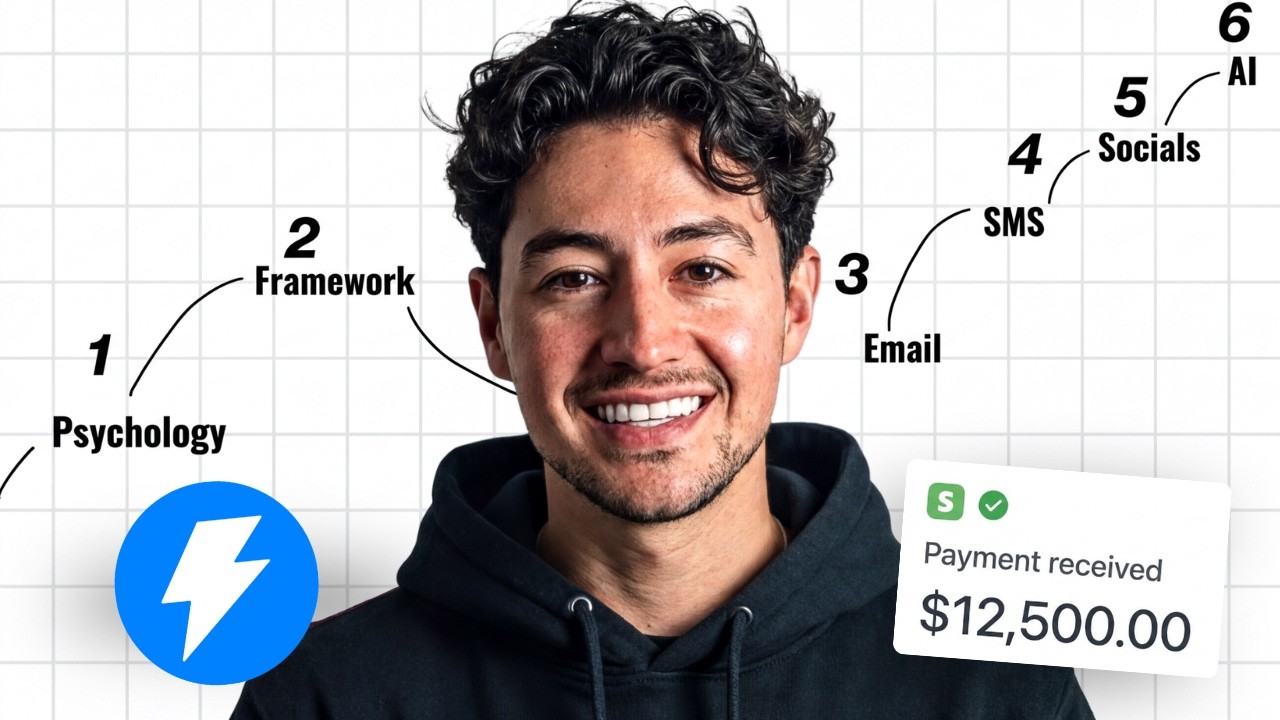
The Definitive Guide to Outbound Copywriting: Mastering Cold Outreach for Maximum Sales
Outbound copywriting—reaching out to strangers who have never interacted with you before—is one of the most challenging yet rewarding aspects of sales and marketing. Unlike inbound strategies where prospects opt-in willingly, outbound requires building trust and interest from scratch. Drawing on over a decade of experience generating millions in outbound sales, this guide distills proven psychological principles, practical frameworks, and actionable strategies to craft cold emails, DMs, SMS, and other outbound messages that convert.
Understanding the Psychology Behind Saying "Yes" to a Stranger
At the heart of successful outbound lies psychology. Human decision-making is influenced by several key principles that can be leveraged to increase response rates:
-
Give First: Start by offering value without asking for anything in return. This could be actionable insights, free audits, or helpful resources that disarm skepticism and create obligation.
-
Micro Commitments: Begin with small asks that gradually escalate. For example, ask someone to watch a short video before proposing a call or sale. Each small "yes" builds momentum.
-
Social Proof: People look to others' behavior before making decisions. Use specific numbers, case studies, and named clients that match your prospect’s industry or profile to build credibility.
-
Authority: Demonstrate your expertise and credentials confidently. Mention notable clients or partnerships relevant to the prospect to enhance trust.
-
Rapport: Build connection through shared context—whether cultural, professional, or personal. Mirror tone, language style, and length of communication to align with your prospect.
-
Scarcity: Introduce genuine limitations, like limited availability or time-bound offers, to encourage timely responses.
-
Shared Identity: Highlight common values, challenges, or affiliations to foster an in-group feeling, increasing receptiveness.
The Four-Step Outbound Copywriting Framework
To systematically apply these psychological insights, use this repeatable framework in every outbound message:
-
Personalization: Open with a brief, informal, and genuine statement that shows you’ve done your homework. Avoid generic flattery or overly formal intros. Keep it to one or two sentences max using cold reading techniques (making general statements that feel personal).
-
Who Am I and Why Do I Matter? Quickly establish your identity and credibility. Mention relevant clients, results, or industry experience in one or two sentences.
-
The Offer: Present a clear, specific, and compelling offer addressing a pain point or opportunity for the prospect. Use quantified results and risk-reversal guarantees (e.g., "I will generate 20 booked meetings in 60 days or you don’t pay").
-
Call to Action (CTA): Make a precise, low-friction ask with a proposed time or next step to minimize back-and-forth and reduce drop-off.
Crafting Irresistible Offers That Convert
An effective offer hinges on balancing three factors:
-
Return on Investment (ROI): What is the specific, quantifiable benefit you deliver? (e.g., revenue increase, booked meetings, leads generated)
-
Trust: How credible are you? Use social proof, authority, and rapport to build confidence that you can deliver.
-
Friction: How easy is it for the prospect to say yes and get started? Minimize effort required on their part.
Example offer formula:
Conversion Rate = (ROI × Trust) / Friction
Offer examples:
-
“I will book you 20 sales appointments in 60 days or you don’t pay.”
-
“I’ll build a world-class live chat widget on your site at no cost and won’t charge until you get 10 paying clients.”
-
“Get your first paying client in 90 days or your money back.”
Guarantees and risk reversals are critical to overcoming skepticism, especially in cold outreach.
Personalization Techniques: The Key to Getting Read
The very beginning of your message is the highest ROI spot. Use cold reading to craft natural, believable personalization:
-
Reference something simple but specific (e.g., “Hey Nick, love your channel—helped me get started in consulting.”)
-
Avoid AI-generated fluff that sounds insincere or overly formal.
-
Use casual, conversational tone with minor imperfections (e.g., a small typo, “Sent from my iPhone”) to signal human authorship.
Optimizing for Different Platforms
Each platform has unique constraints and best practices:
-
Email: Optimize sender name, subject line, teaser text, sender email, and email body. Aim for subject + teaser length around 150 characters combined for best preview. Avoid links in initial outreach to reduce spam risk.
-
LinkedIn: Use a professional profile picture, premium badge, concise and clear job title, and strong social proof in your profile. Keep messages brief and personalized.
-
X (formerly Twitter): Messages are shorter (~50 characters teaser). Use informal tone, emojis, and casual language. Avoid new or suspicious accounts to maintain trust.
-
Instagram: Like X, messages often land in requests folder. Use casual tone and build rapport with recognizable profile and handle.
-
SMS/iMessage: Fill the preview text entirely, include a provocative or curiosity-inducing snippet to increase open rates. Use friendly, human tone.
Writing Effective Subject Lines and Follow-Ups
-
Subject Lines: Should never sell outright but create plausible deniability and curiosity. Personalized, informal, and concise lines perform best (e.g., “Nick, you’re wasting $2,300 per month”).
-
Avoid generic or overly salesy subjects like “Video Editor” or “Interested in AI-driven performance optimization” that fail to engage.
-
Follow-Ups: Send 1-2 simple, friendly follow-ups like “Hey Nick, just checking in on this...” Avoid aggressive or overly detailed follow-ups. Use different subject lines to A/B test effectiveness.
Iteration and A/B Testing: The Data-Driven Path to Success
-
Start with two fundamentally different campaigns to test broad approaches.
-
Gradually narrow down by making smaller changes over time.
-
Always send enough volume (at least 500–1,000 emails per variant) to get statistically significant results.
-
Track key metrics: open rates, reply rates, booked calls, conversions.
-
Stick to a regular iteration schedule (e.g., weekly) to continually improve.
How to Use AI in Copywriting—And When Not To
-
AI is not yet a substitute for skilled human copywriting.
-
Use AI to generate small personalized snippets (e.g., casual company name versions, brief icebreakers) but write the core message yourself.
-
Avoid letting AI write your entire email; it often leads to generic, unconvincing copy.
-
Use AI to casualize formal data (e.g., turning “Leftclick Incorporated” into “Leftclick”) for authenticity.
Advanced Gray Hat Techniques: Use With Caution
Some strategies operate in legal or platform “gray areas” and carry risks:
-
Buying pre-warmed social media or email accounts to bypass cold start restrictions.
-
Hiring freelancers in low-cost countries to operate LinkedIn accounts for outbound.
-
Using power dialers to increase cold call efficiency.
-
Sending cold SMS or WhatsApp campaigns via third-party APIs mimicking iPhone blue bubbles.
Warning: These methods may violate platform terms of service or laws and can lead to account suspension or legal issues. Use at your own risk.
Real-World Examples and Email Makeovers
The guide includes detailed before-and-after analyses of real cold emails showing how to:
-
Add value and give first.
-
Incorporate social proof and authority.
-
Use clear, quantified offers with risk reversal.
-
Personalize with cold reading and shared identity.
-
Craft compelling CTAs with minimal friction.
Final Thoughts
Outbound copywriting is a skill grounded in psychology, strategy, and relentless iteration. Master these principles and frameworks to build campaigns that cut through noise, build trust, and convert cold prospects into paying clients.
Remember:
-
Start with genuine value (give first).
-
Build trust with social proof and authority.
-
Personalize authentically without overselling.
-
Craft clear, risk-reversed offers.
-
Minimize friction in your CTAs.
-
Continuously test, measure, and improve.
When done right, outbound can be a powerful engine for predictable revenue growth.
If you enjoyed this guide, consider subscribing and sharing your biggest cold outreach challenges in the comments. Success in outbound comes from learning, adapting, and executing with confidence.
Happy selling!