
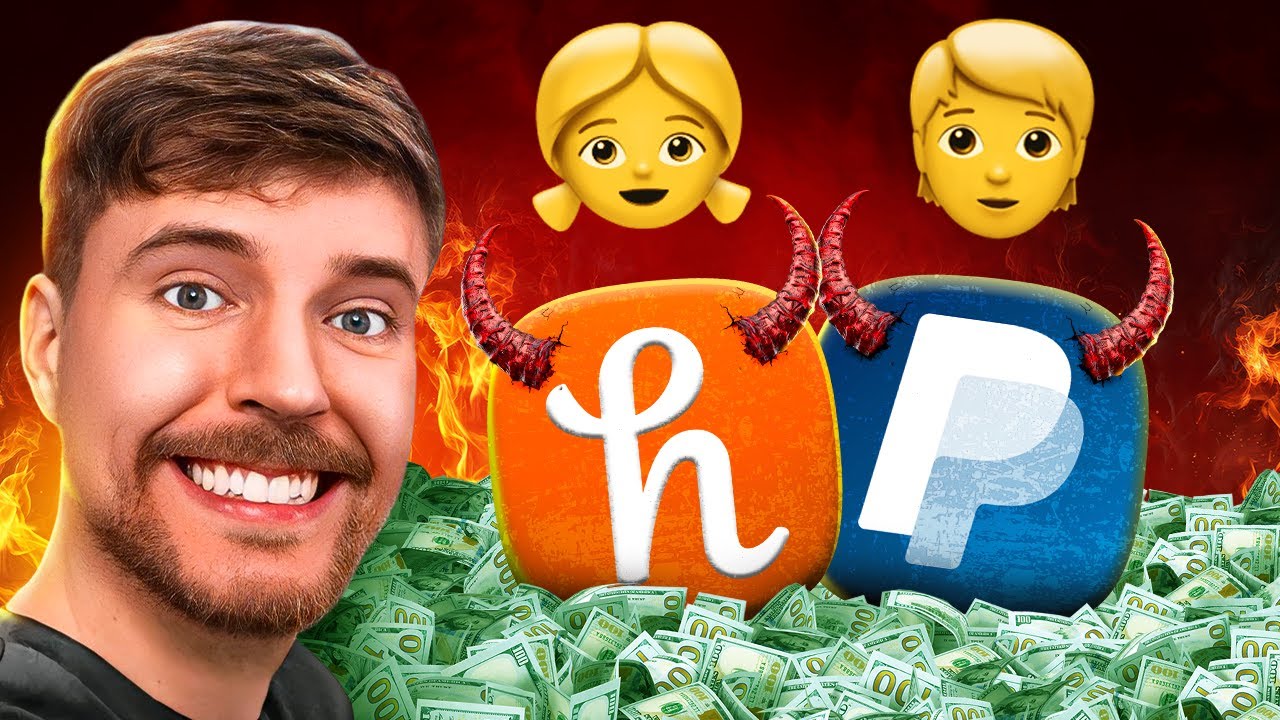
The Dark Side of Honey: How PayPal’s Acquisition Masks a Predatory Business Model
Recently, an explosive investigation has brought to light troubling practices behind Honey, the popular browser extension owned by PayPal that claims to save users money by automatically applying coupon codes at checkout. Far from the helpful savings tool it markets itself as, Honey’s business model is revealed to be fraught with deception, data privacy concerns, and harm to both consumers and small businesses. This post unpacks the key findings of the investigation, exposing how Honey operates, the fallout for merchants and influencers, and the broader implications for consumers and the e-commerce ecosystem.
Honey’s Hidden Source Code and Legal Pushback
The investigation initially gained attention after the whistleblower uncovered Honey’s source code exposed in its iOS app. This discovery revealed mechanisms Honey uses to manipulate affiliate commissions and track user data extensively. Following the release of the initial video, PayPal’s legal team issued a cease and desist, demanding removal of the video under copyright claims, signaling the company’s intent to suppress exposure of these practices.
The Honey Conspiracy: Influencers, Consumers, and Businesses Misled
Honey has been accused of several unethical practices:
- Poaching Affiliate Commissions: Honey often steals affiliate commissions from content creators by hijacking links, causing influencers to lose deserved revenue.
- Misleading Coupon Codes: Despite promising the “best” discounts, Honey withholds better coupons, providing users with subpar deals to maximize its own profits.
- Non-Consensual Store Inclusion: Honey added over 146,000 online stores to its platform without their consent, far exceeding the 30,000 “participating” stores it advertises.
- Coupon Code Leakage: Private and exclusive coupon codes intended for specific customers, employees, or loyalty programs have been scraped and shared publicly by Honey, causing significant financial damage to businesses.
- Selective Store Removal: When merchants request removal from Honey’s platform, Honey often refuses unless the store agrees to partner with them — effectively paying for exclusion.
The Devastating Impact on Small Businesses and Consumers
Small businesses are disproportionately harmed by Honey’s practices. Coupon codes are strategic marketing tools, often designed to build customer loyalty or gather valuable data like email addresses. When Honey leaks these codes indiscriminately:
- Businesses lose revenue without gaining marketing benefits.
- Influencers lose commission income due to inflated or misattributed coupon usage.
- Businesses face difficulties tracking the effectiveness of marketing campaigns.
- Ultimately, retailers may raise prices to cover losses, negatively affecting consumers.
The CEO of Maiden Cookware, Chip, described how Honey’s commission theft and coupon leakage compress margins at a time when small businesses already face rising costs, squeezing their viability and stunting growth.
Data Privacy Nightmare: Extensive Tracking and Targeting Minors
Honey’s browser extension collects vast amounts of data—far beyond what users expect—including:
- Every online store visited
- Products viewed and purchased
- User device and location information
- Detailed browsing behavior, including pages visited multiple times and disputes filed
This data collection occurs even for non-registered users and is shared internally with merchants to help them analyze consumer behavior.
Alarmingly, Honey knowingly targeted minors through influencer sponsorships with figures like MrBeast, whose audience skews very young. Despite Honey’s privacy policy stating it is intended for users 18+, its marketing aggressively encouraged children to install the extension on all household computers, a practice that raises serious ethical and legal concerns.
The PayPal Connection: Why $4 Billion for a Coupon Extension?
PayPal’s $4 billion acquisition of Honey was not just about affiliate revenue—it was a strategic play to gain access to massive consumer shopping data. Honey’s trove of behavioral insights is invaluable for PayPal’s ambitions, including launching an ad network leveraging purchase histories across its user base.
Former Honey and PayPal executives openly discussed how Honey’s data provides deep insights into cross-site shopping habits, boosting merchant conversion and loyalty. However, users were largely unaware of the extent of data sharing and tracking beneath the surface.
The Affiliate Marketing War and Industry Complicity
Honey is just one actor in a broader ecosystem where affiliate marketing rules are routinely bent or broken. Other browser extensions and even major players like Microsoft have been caught hijacking affiliate commissions through stealthy techniques, undermining influencers and merchants alike.
Affiliate networks, which set the rules for this ecosystem, have little incentive to enforce them strictly because they profit from the volume of commissions flowing through their platforms. This lack of enforcement has created a “wild west” environment rife with fraud and exploitation.
What’s Next? Exposing Hidden Systems and Criminal Behavior
Future investigations promise to reveal even more disturbing practices, including Honey’s deliberate attempts to bypass key affiliate marketing rules designed to protect influencers from commission theft. These hidden systems manipulate compliance processes to avoid detection, potentially crossing legal boundaries.
Conclusion: Protecting Yourself and the E-Commerce Ecosystem
The Honey investigation highlights critical issues for consumers, influencers, and merchants:
- Consumers should reconsider using Honey and similar extensions given the privacy risks and suboptimal coupons.
- Content Creators and Influencers must be aware of commission theft and advocate for fair affiliate practices.
- Small Businesses need to monitor coupon leakage and potentially invest in blocking tools to protect margins.
- Regulators and Affiliate Networks should enforce existing rules to curb predatory behaviors in affiliate marketing.
Ultimately, what appeared to be a helpful money-saving tool has been exposed as a predatory business model that exploits users and merchants alike, all under the umbrella of a corporate giant like PayPal. Transparency, regulation, and consumer vigilance are essential to restore fairness and privacy in online shopping.
Additional Resources
- Cookie Guard: A browser extension to detect hidden affiliate cookies.
- Data Request: Nonprofit organization helping users access and control their personal data.
- Follow developer Yelta on Twitter for the upcoming public release of the Honey store and coupon data spreadsheet.
Stay tuned for upcoming parts of this series as more revelations about Honey and the affiliate marketing industry come to light.