Mark Rober thumbnail

📝 Mark Rober Blog

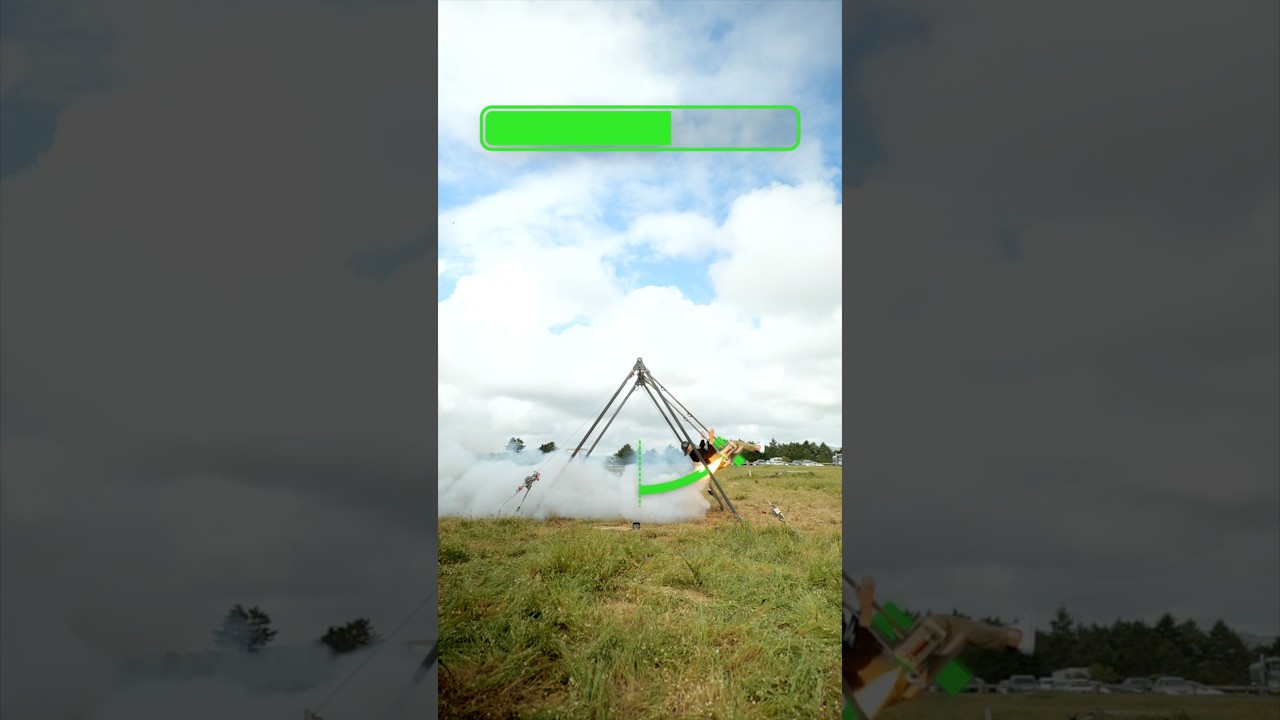
🎥 4 Levels of Rocket Swings

⏱️ Duration: 0:32
🔗 Watch on YouTube

Certainly! However, the transcript you provided is very short and only contains:
"الارتفاع يزداد. ثلاثة، اثنان، واحد، انطلق."
Translation: "Altitude is increasing. Three, two, one, launch."

Based on this brief content, here's a summary structured as requested:


Overview

This short video clip appears to capture the countdown and launch of a rocket or
similar object, highlighting the moment of liftoff as altitude begins to
increase.

Main Topics Covered

  • Pre-launch conditions (altitude increasing)
  • Countdown sequence
  • Launch initiation

Key Takeaways & Insights

  • The launch is carefully timed and preceded by a countdown.
  • Altitude monitoring is crucial and begins even before the launch.

Actionable Strategies

  • Ensure all systems are monitored (e.g., altitude) prior to initiating a launch.
  • Use a clear countdown to synchronize team actions and launch timing.

Specific Details & Examples

  • The phrase "الارتفاع يزداد" ("altitude is increasing") indicates active monitoring of parameters.
  • The countdown: "ثلاثة، اثنان، واحد" ("three, two, one") followed by "انطلق" ("launch").

Warnings & Common Mistakes

  • The transcript does not mention any explicit warnings, but the structured countdown suggests the importance of precise timing and monitoring to avoid mistakes.

Resources & Next Steps

  • No specific resources or next steps are mentioned in the provided transcript.

If you have a longer transcript or additional context, please provide more text
for a more detailed and comprehensive summary!
🎥 How To Fool Your Brain!

⏱️ Duration: 1:09
🔗 Watch on YouTube

Overview

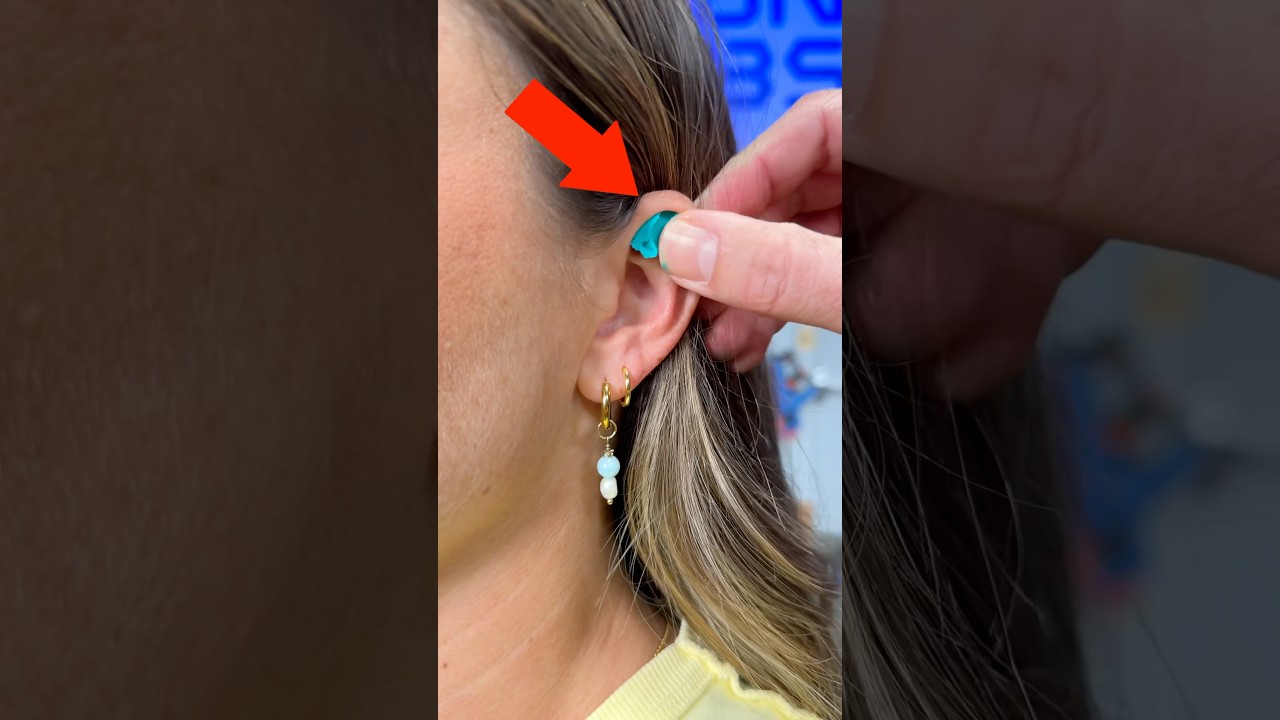
This video demonstrates how the unique folds in our ears help us determine the
direction of sounds. Using Play-Doh to fill the ear folds, the presenter shows
how this disrupts our ability to localize sound, illustrating a fascinating
aspect of human hearing.

Main Topics Covered

  • The function of ear folds in sound localization
  • An experiment using Play-Doh to alter ear structure
  • The brain's interpretation of sound direction
  • Practical implications (e.g., games like Marco Polo)

Key Takeaways & Insights

  • The folds in our ears are crucial for our ability to know where sounds originate.
  • Our brains learn to interpret the way sound bounces off these ear structures.
  • Obstructing or altering these folds (with Play-Doh) confuses the brain, making it difficult to pinpoint sound direction, especially distinguishing between sounds from the front and back.

Actionable Strategies

  • To demonstrate how ear folds affect hearing, you can safely fill the folds of your ears (not the ear canal) with a soft material like Play-Doh and have someone move around you while making sounds. Notice the difference in your ability to localize the sound.
  • This experiment can be used as a fun science demonstration or as a playful trick during games like Marco Polo.

Specific Details & Examples

  • In the video, Pearson is first able to easily tell where sounds are coming from when her ears are unobstructed.
  • When Play-Doh is placed in the folds of her ears and she's blindfolded, she can still hear but struggles to determine the sound’s origin, often guessing incorrectly.
  • The effect is most pronounced when distinguishing between sounds coming from the front or back.

Warnings & Common Mistakes

  • The video does not mention specific safety warnings, but care should be taken not to insert anything into the ear canal itself—only the outer folds should be used in this experiment.
  • A common misconception is that hearing direction is solely about volume or timing; this experiment shows the importance of ear anatomy.

Resources & Next Steps

  • The video suggests trying this experiment as a science demonstration or game hack (e.g., for Marco Polo).
  • No external resources or tools are mentioned, but basic household items like Play-Doh can be used to replicate the experiment.

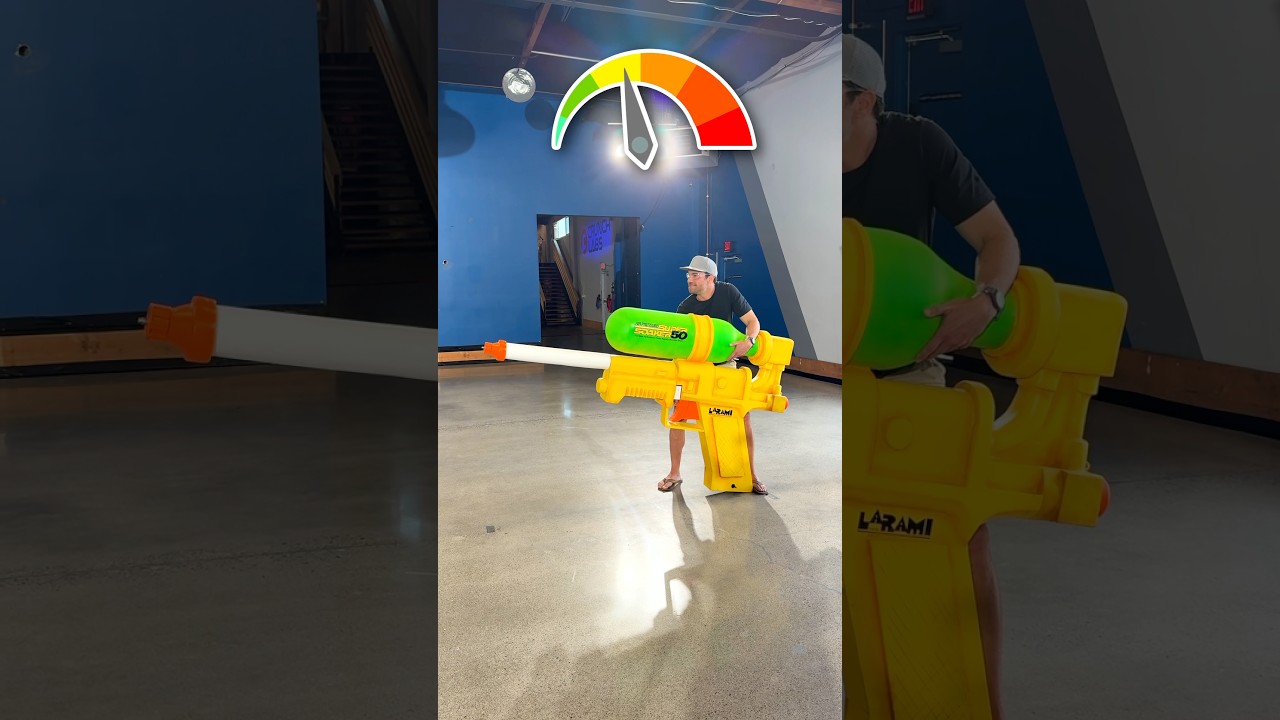
🎥 Human vs World’s Largest Water Gun

⏱️ Duration: 0:29
🔗 Watch on YouTube

Certainly! However, the transcript you provided appears to be extremely short
and does not contain enough information to generate a comprehensive summary
using the requested sections. If you have a longer or complete transcript,
please provide it so I can create a detailed summary as per your structure.

Based on the current transcript, here’s what can be extracted:


Overview

The video features a brief, informal exchange involving someone named Mark, with
participants reacting to something Mark did or said, describing it as "crazy."

Main Topics Covered

  • Brief interaction or challenge involving Mark

Key Takeaways & Insights

  • Mark did something that elicited a surprised or impressed reaction from others.

Actionable Strategies

  • Not enough information provided.

Specific Details & Examples

  • The phrase "Is that all you got, Mark" suggests a challenge or playful taunt.
  • "That was crazy, Mark" indicates something unexpected or impressive occurred.

Warnings & Common Mistakes

  • Not mentioned.

Resources & Next Steps

  • Not mentioned.

If you provide a longer transcript or more context, I can deliver a much more
comprehensive and structured summary!

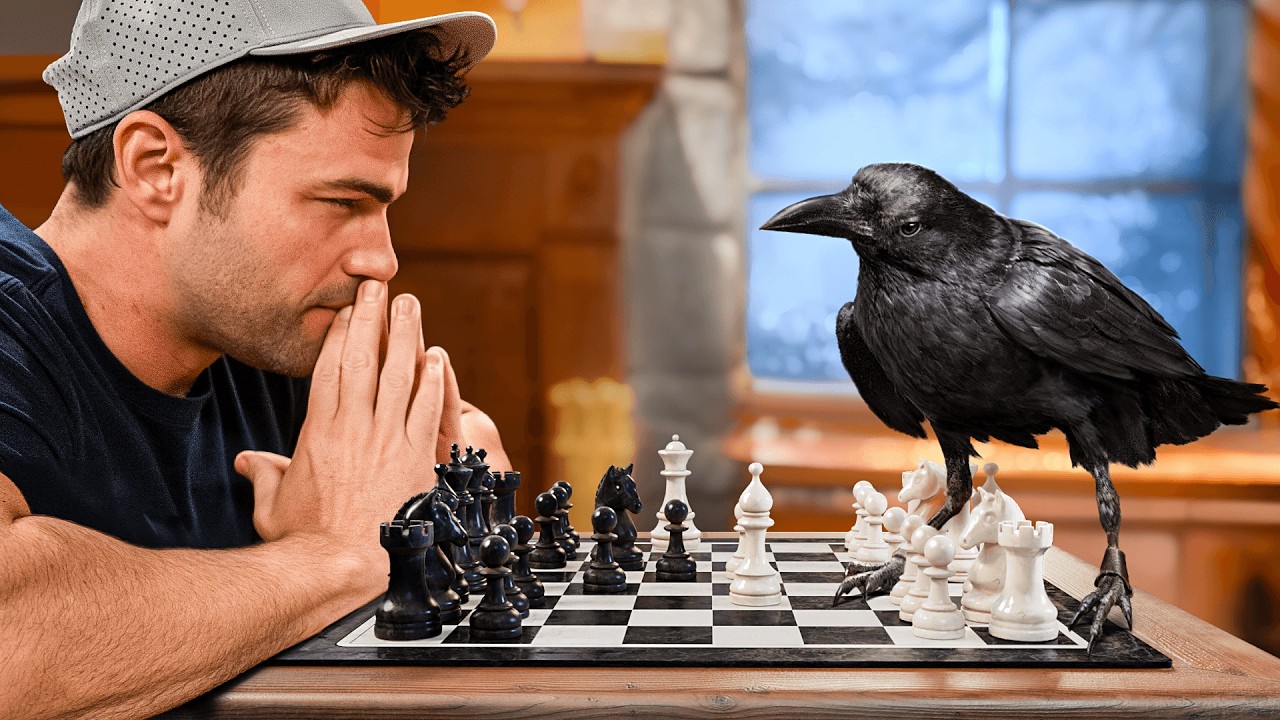
🎥 Testing The World's Smartest Crow

⏱️ Duration: 22:54
🔗 Watch on YouTube

Overview

This video documents a complex "escape room" style challenge created for a
highly intelligent crow, Cheryl, to test her problem-solving skills through a
series of nine escalating puzzles. The creator, inspired by his own comical feud
with porch-thieving crows, compares Cheryl’s performance with that of young
humans tackling the same puzzles, offering an entertaining and thought-provoking
exploration of animal intelligence, engineering, and resilience.


Main Topics Covered

  • Personal history and motivation for creating crow puzzles
  • Evidence and anecdotes of crow intelligence
  • Design and explanation of the nine-part crow escape room
  • Scientific observation and study of crow behavior
  • Step-by-step walkthrough of each puzzle and its inspiration
  • Comparison of crow versus human problem-solving approaches
  • Insights into engineering thinking and resilience
  • Promotion of CrunchLabs educational subscription boxes
  • Reflections on animal intelligence and coexistence

Key Takeaways & Insights

  • Crows are exceptionally intelligent: They demonstrate advanced problem-solving, tool use, memory, and even social manipulation.
  • Complex puzzles can be solved by animals: With the right motivation and incremental challenges, animals like crows can tackle multi-step tasks that require understanding cause and effect, tool creation, and pattern recognition.
  • Resilience and iterative learning are critical: Both Cheryl the crow and the children displayed persistence, learned from failed attempts, and adapted strategies—mirroring core engineering and life skills.
  • Humans and animals share problem-solving traits: The experiment highlighted similarities in curiosity, trial and error, and learning from feedback between the crow and young human participants.
  • Positive reinforcement and play are important: Enjoyment and small rewards along the way (like the “tourist trap” puzzle) keep motivation high and learning fun.

Actionable Strategies

  • Break down complex tasks: Present challenges in incremental steps that build upon one another, making them manageable and fostering learning momentum.
  • Encourage experimentation: Allow for trial and error; failure is a natural and valuable part of the problem-solving process.
  • Incorporate familiar elements: Use objects or scenarios that are familiar to the learner (human or animal) to ease the introduction of new challenges.
  • Celebrate small wins: Include enjoyable or “fun break” elements (like the tourist trap photo op) to maintain engagement.
  • Model and teach resilience: Demonstrate, encourage, and reward persistent effort and adaptability.

Specific Details & Examples

  • The Escape Room Gauntlet: Nine puzzles, each inspired by observed crow behaviors or scientific studies, including:
  • Water Displacement Puzzle: Retrieve a wooden ball by raising water level with rocks (Aesop’s fable test).
  • Scales of Justice: Use weighted objects to trigger a switch.
  • Facial Recognition Roulette: Identify the experimenter’s face from portraits to receive rewards.
  • Cash Grab: Place NFC-tagged bills into a reader to unlock a tool.
  • Fishing Hole: Fashion a hook from a tool to retrieve a cup.
  • Cup Stack: Stack cups to complete a circuit.
  • Tourist Trap: A fun photo op with a mini reward.
  • Shipwreck: Pull a cork and string to tip a ship, activating a switch.
  • Egg Drop: Drop an object to trigger a sensor and open the final reward
    cage.
  • Crow Intelligence Examples: Crows using bread as fishing bait, manipulating other animals for access to resources, and recognizing individual human faces for years.
  • Human Control Group: Children tried the same puzzles, showing creativity, collaboration, and iterative problem solving.
  • Cheryl’s Performance: Demonstrated advanced reasoning, tool-making, and memory, sometimes outperforming the humans in efficiency.

Warnings & Common Mistakes

  • Underestimating animal intelligence: The creator admits to underestimating the crow’s abilities, highlighting a common pitfall when designing challenges for non-human species.
  • Assuming success on the first try: Both humans and crows needed multiple attempts and learned from mistakes; expecting immediate success can lead to frustration.
  • Ignoring individual learning styles: Cheryl’s unique preferences (e.g., favorite objects) informed her problem-solving approach—highlighting the need to tailor challenges to the learner.

Resources & Next Steps

  • CrunchLabs Subscription Boxes: Monthly STEM-focused build kits designed to teach engineering and problem-solving skills in a fun, hands-on way, with holiday promotions for free boxes.
  • Adam Savage’s Cage Build Video: The custom birdcage was built by Adam Savage (Mythbusters), with a behind-the-scenes build video available on the Tested YouTube channel.
  • Online Community and Coding Modules: For advanced learners, the Hack Pack offers tweakable hardware and an online platform for more creative engineering projects.
  • Further Learning: Encouragement to observe local wildlife, experiment with engineering challenges, or subscribe to CrunchLabs for ongoing STEM enrichment.