
Understanding Data Centers: The Powerhouses Behind Our Digital World and Their Environmental Impact
In today’s digital age, data centers play a crucial role in storing, processing, and transmitting vast amounts of information. But what exactly is a data center, and why is it so significant — not just technologically, but environmentally?
What Is a Data Center?
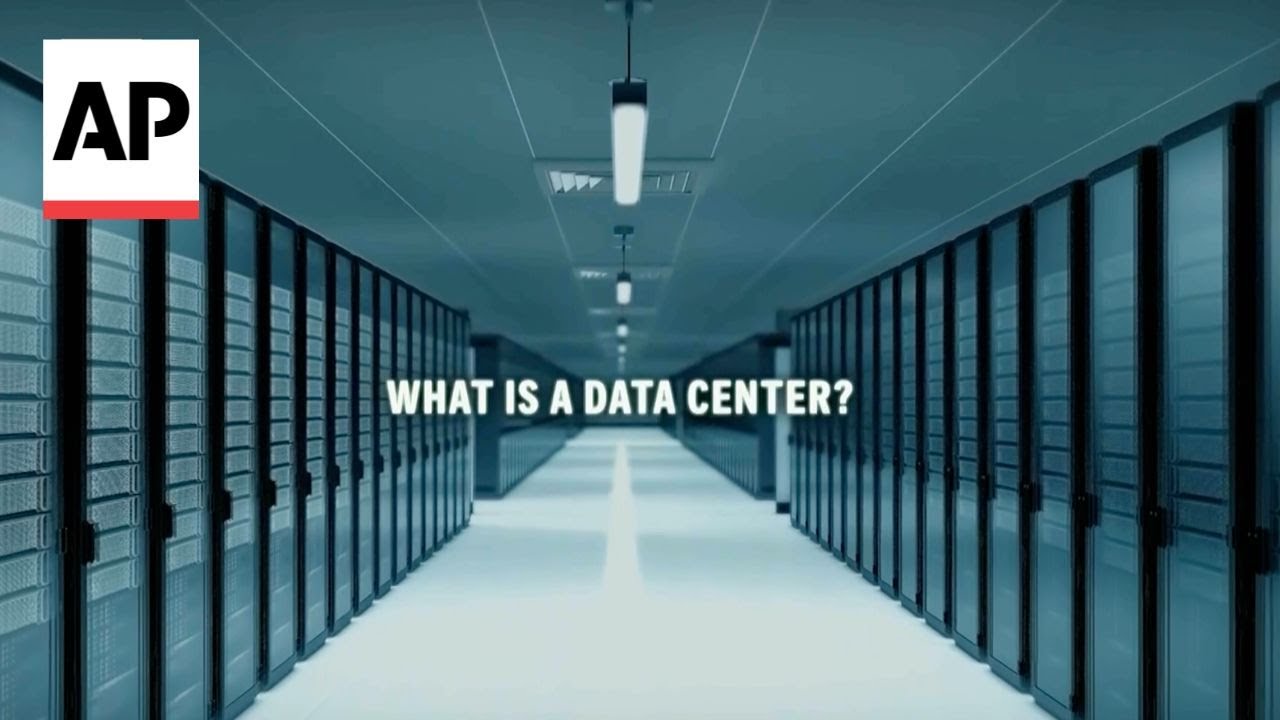
A data center is essentially a facility housing rows of computers and equipment dedicated to handling massive volumes of digital data. These centers are designed with security in mind, often featuring minimal windows, extensive camera surveillance, and sometimes even biometric screening to protect sensitive information.
The Energy Demands of Data Centers
Operating these powerful machines requires a tremendous amount of electricity. It’s not just the computers themselves that consume energy; keeping the equipment cool is equally demanding. Data centers use elaborate air conditioning systems that need huge amounts of water to prevent overheating. According to the International Energy Agency (IEA), a single large data center can consume as much electricity as powering 400,000 electric cars.
The Rise of AI and Increased Energy Consumption
The surge in artificial intelligence (AI) technologies has further amplified the energy needs of data centers. Training AI models involves processing enormous datasets, which requires significantly more computing power than traditional tasks. Conventional data centers primarily use Central Processing Units (CPUs), but AI workloads depend heavily on Graphics Processing Units (GPUs), which are more energy-intensive.
For example, the IEA estimates that generating a response using OpenAI’s GPT model consumes nearly 10 times the electricity of a standard Google search. This stark increase in energy use highlights the environmental costs associated with the growing AI industry.
Tech Giants and Renewable Energy Initiatives
Recognizing the environmental challenges, major tech companies like Amazon, Microsoft, and Google are taking steps to reduce their carbon footprint. They have announced plans to incorporate nuclear energy to power their U.S. data centers and have invested in renewable energy sources such as wind and solar farms.
The Challenge Ahead
Despite these efforts, most data centers still rely heavily on local electricity grids, which predominantly use fossil fuels. This dependence complicates efforts to meet climate change goals, as fossil fuel-based energy remains the primary contributor to global warming.
Conclusion
Data centers are indispensable to our modern digital infrastructure, but their substantial energy consumption poses significant environmental challenges. As AI continues to grow and demand more computational power, it’s crucial for the tech industry to accelerate the transition to clean energy sources. Only through sustained innovation and investment in renewable energy can we ensure that our digital future is both powerful and sustainable.